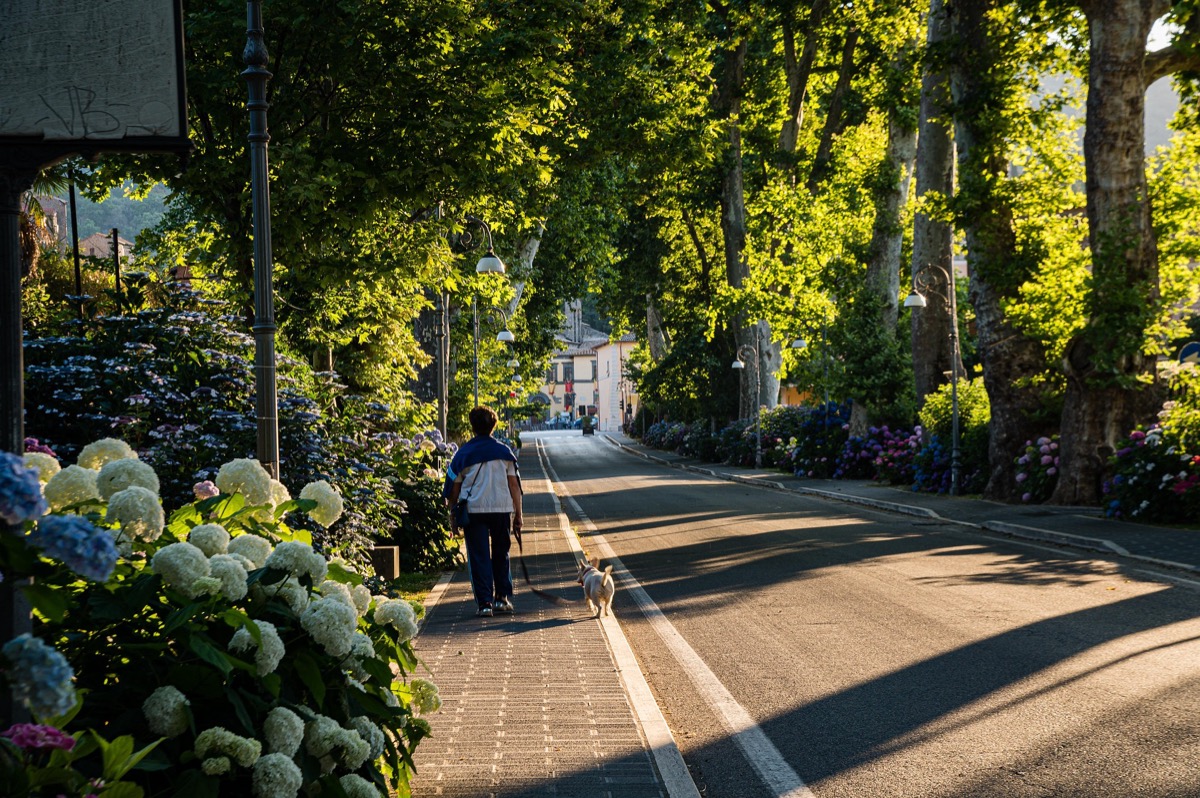
Hayward is a weird, wonderful patchwork. One minute you're smelling salt air at the shoreline, the next you're dodging commuters near Cal State East Bay, and twenty minutes later you're staring at a cow in the hills. If you live here, you know that dog training Hayward style is about more than just backyard tricks. Your dog needs to deal with the specific, often loud, reality of the East Bay.
I've seen plenty of "well-trained" dogs fall apart the second a BART train screeches or a squirrel darts across a Mission Boulevard sidewalk. Success here means training for the geography, not just the command. Whether you're in the suburban quiet of Fairway Park or the dense apartments downtown, your dog's education needs to happen where life actually happens.
Hayward etiquette and the "suburban buzz"
Most Hayward dog training starts in neighborhoods like Glenview or Fairway Park. These areas feel quiet, but they're full of what I call the "suburban buzz," garage doors rattling, kids on scooters, and that one neighbor's dog that never stops barking. This is where you build focus.
Don't just walk; train. Practice "leave it" with a dropped piece of trash on the sidewalk. You want that command to work just as well for a discarded chicken wing downtown as it does for a dry leaf in your driveway. Start on the flat, boring pavement of your block before you try to tackle the bigger distractions.
Since we're a commuter hub, our dogs live around heavy infrastructure. They can't ride BART (unless they're service animals), but they sure hear it. Spend twenty minutes sitting on a bench near the downtown BART plaza. Don't ask for much, just reward your dog for staying calm while the world hisses and hums around them. If they can handle a motorcycle revving on Mission Boulevard without snapping their leash, you're winning.
Salt air and steep hills: Environmental challenges
The Hayward Regional Shoreline is a dog's dream and a handler's nightmare. The smells are intense, the wind is constant, and the birds are everywhere. Puppy training Hayward tip: bring a long-line leash to the Interpretive Center. It gives them room to sniff the brine without letting them disappear into a salt marsh after a snowy egret. You need your voice to be more interesting than a flapping wing, that's the real test of a recall.
Then there's the hills. If you're heading up to Garin or Dry Creek Pioneer Regional Parks, you aren't just dealing with trails; you're dealing with livestock. I've seen "reliable" dogs lose their minds at the sight of a cow. Training a "Hayward Hill Dog" means mastering distance commands. You have to be able to stop your dog mid-straightaway when they're twenty feet ahead of you. In the hills, that's not a parlor trick, it's how you keep them from getting kicked by a heifer or lost in a canyon.
Surviving downtown and the university
Living near downtown or Cal State East Bay is the final exam. Between the patio dining, the cyclists, and the literal thousands of students, it's a lot for a dog to process. This is where the "settle" command is king. I want a dog that can lie under a table while I grab a coffee and actually relax. Practice this by doing "nothing" in high-traffic areas for five minutes at a time.
In high-density spots like Mt. Eden or Longwood, "dog-to-dog neutrality" is more important than being friendly. Your dog doesn't need to meet every Lab on Hesperian Boulevard. They just need to be able to walk past them without making a scene. Aim for a dog that is sophisticated and bored by other dogs, that's the mark of a true urban pet.
The Hayward heat check
One thing people forget: Hayward gets hot, hotter than the cities right on the water. If you're dog training Hayward during the summer, watch the asphalt on Foothill or Mission. If it's too hot for your hand, it's too hot for their paws. Move your sessions to the early morning or late evening. Also, teach your dog to drink from a portable bottle now. A dog that's overheating isn't learning anything; they're just surviving. Keep it safe, keep it local, and treat the whole city as your training ground.