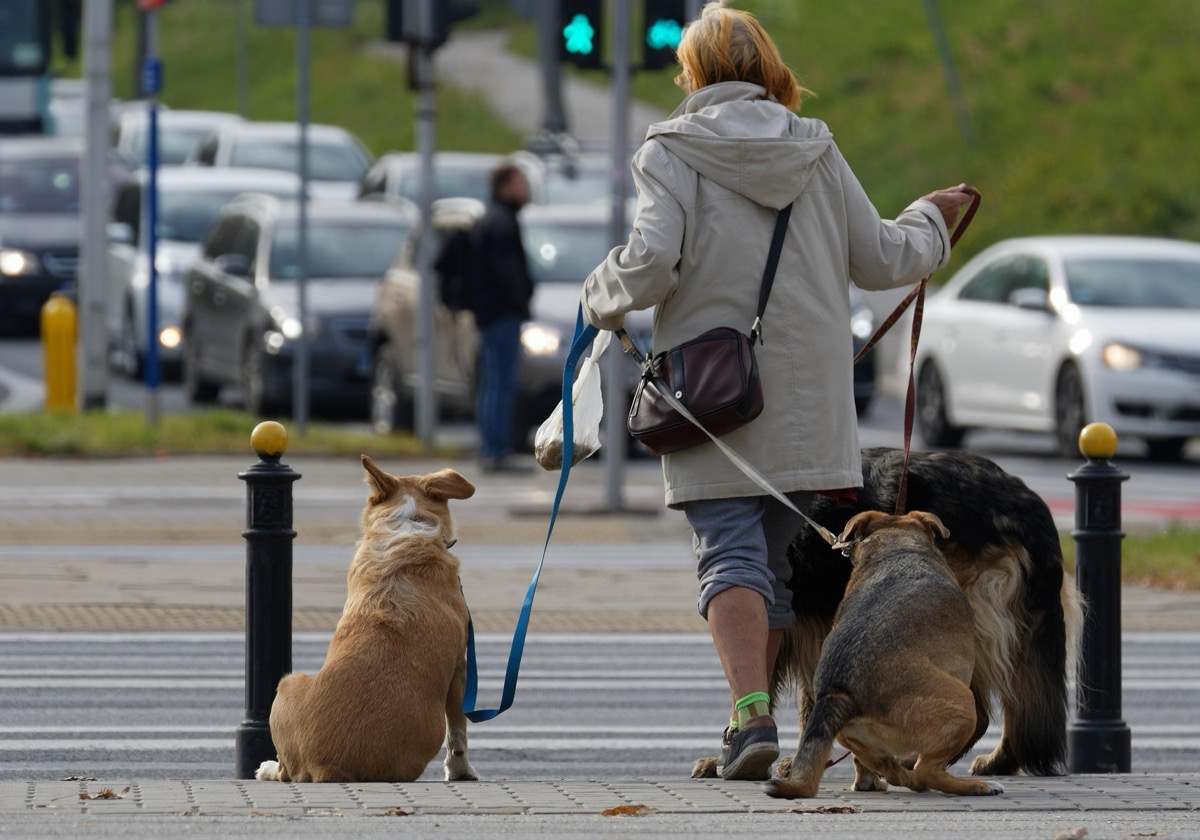
If you live in Hayward, you know the drill. One day you're enjoying the views at the Hayward Regional Shoreline, and the next, your dog is trying to drag you into the San Francisco Bay because they saw a particularly interesting seagull. Whether you're dealing with a rowdy puppy at Garin Regional Park or a nervous rescue at a B Street street fair, you eventually realize you need professional help. But here is the thing: choosing a dog trainer in Hayward is a high-stakes decision. You aren't just buying a service; you're picking the person who will shape how your dog sees the world. If you get it wrong, you aren't just out a few hundred bucks, you might end up with a dog that is more fearful or aggressive than when you started.
Most people start their search the same way: a quick Google search for "dog trainer Hayward" or a flyer at a pet shop near Southland Mall. The problem is that the dog training industry is a Wild West. In California, there is zero regulation. I could decide tomorrow that I'm a "Master Behaviorist" because I watched a few YouTube videos, and nobody could stop me from charging you for it. This lack of oversight means you have to be your own detective. Don't get distracted by a flashy website or a trainer who claims to be a "pack leader." Look for the substance of their philosophy and how they actually treat the animals in our community.
The Great Training Debate: Science vs. "Alpha" Myths
When you start calling a Hayward dog trainer, you'll hear a lot of talk about "methodology." Most modern, science-based trainers use positive reinforcement. This isn't just about throwing cookies at a dog; it's about using rewards, food, toys, or praise, to make the dog want to cooperate. When you're trying to navigate the chaos of the Hayward BART station or the Saturday farmers' market, you want a dog that checks in with you because they trust you, not because they're worried about getting a "correction."
You'll also run into "balanced" trainers. They usually use a mix of rewards and "corrections" with tools like prong collars or e-collars. They often promise fast results, which sounds great when your dog is barking at every fire truck on Mission Boulevard. But many experts warn that using pain or fear to motivate a dog can backfire, especially in a busy city like Hayward where your dog is already hit with a ton of noise and stress. When you interview someone to be your dog trainer in Hayward, ask them a blunt question: "What happens when my dog gets it wrong?" If they start using vague terms like "pressure" or "communication" to describe a physical correction, that's a red flag. A good trainer is transparent about what they do and why they do it.
Certifications That Actually Matter
Since anyone can call themselves a trainer, look for initials that actually mean something. If a trainer has spent the time and money to get certified by the CCPDT (CPDT-KA) or the Academy for Dog Trainers (CTC), it shows they've actually studied animal behavior. Many of the best people to choose dog trainer Hayward options from will travel all over the Bay Area just to stay current on the latest research. It's an investment in your dog's safety.
Don't ignore local Hayward resources, either. Your vet at a clinic near the Hayward Hills probably has a list of people they trust. You can also check in with Hayward Animal Services on Soto Road. These folks see the fallout of bad training every day, so they aren't going to recommend someone who uses harsh methods. Better yet, ask if you can watch a class at a local park. Watch the dogs' body language. Are they happy and engaged, or are they slinking around with their tails tucked? And watch the human trainer. Do they actually know how to teach you, or are they just showing off with the dog?
The Human Element
This is the part everyone forgets: a trainer's primary job is to teach you. If you don't feel comfortable or supported, it's not going to work. You're the one who has to live with the dog in your Hayward home every day. If a trainer makes you feel stupid for asking why your dog barks at the mail carrier or pulls toward every bush on the way to Tennyson Park, find someone else. You need a coach, not a drill sergeant.
Think about the logistics too. Group classes at Kennedy Park are great for socialization, but if your dog is having a meltdown every time they see another puppy, you might need private, in-home sessions first. This lets a trainer see exactly what's happening in your neighborhood. Just make sure whoever you hire is insured and can give you references from other Hayward clients who have dealt with similar issues.
Red Flags to Watch Out For
If a trainer offers a "guarantee," run the other way. Dogs are living beings, not robots. No one can guarantee a dog will never bark again. Also, stay away from anyone who mentions "dominance" or being the "alpha." That science has been debunked for decades. Using those outdated ideas in a high-stress urban/suburban mix like Hayward is a recipe for disaster.
Training isn't a "one and done" thing you finish and forget about. As your life changes, maybe you move from an apartment near Cal State East Bay to a house near Chabot College, your dog's needs will change too. A great Hayward dog trainer becomes a long-term part of your team. By taking the time to pick carefully, you're making sure you and your dog can enjoy everything from the hills to the bay with actual confidence. Your dog, and your future self walking down B Street, will definitely appreciate it.